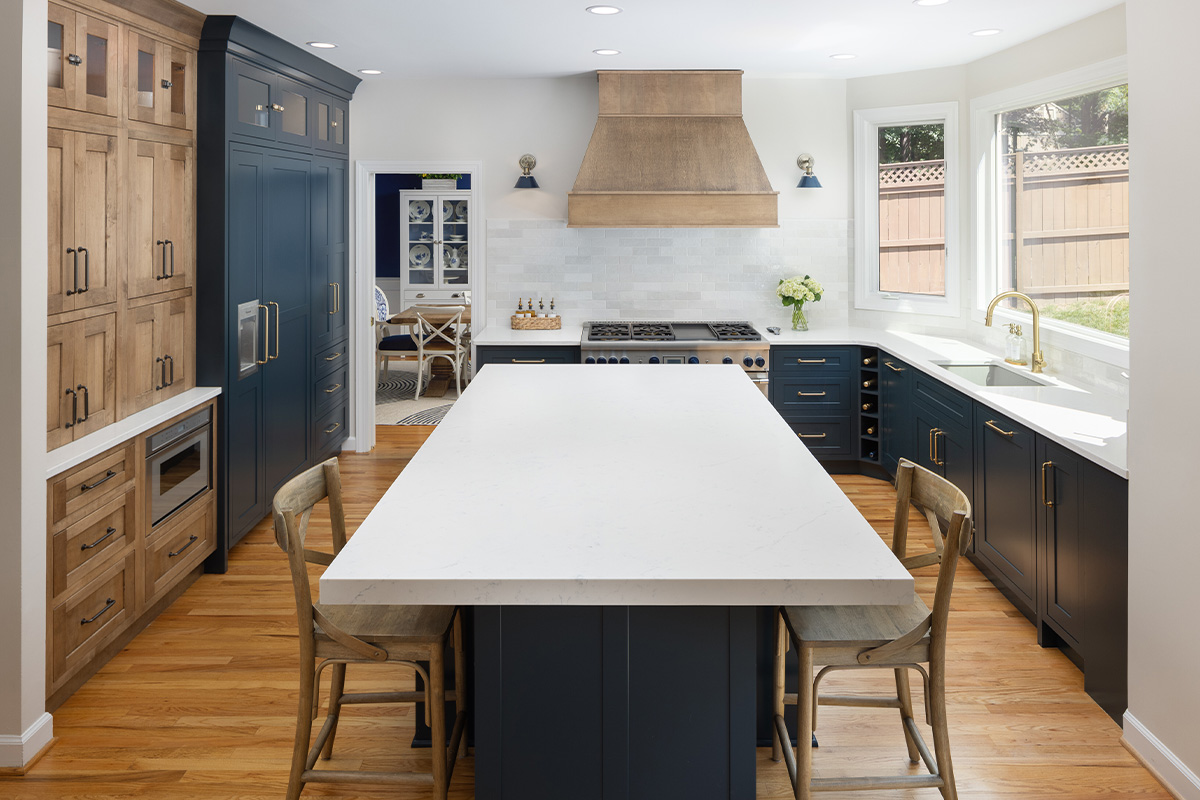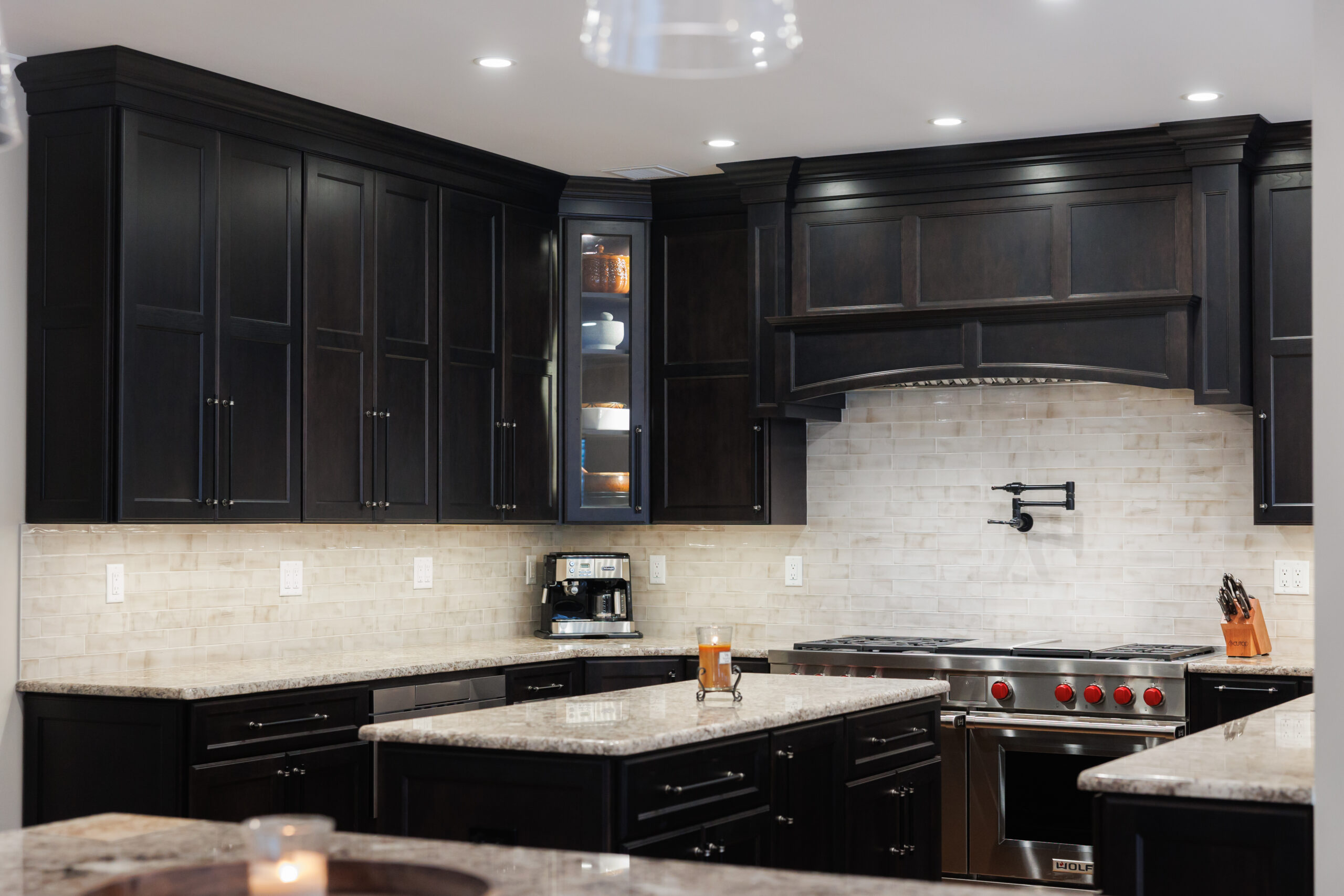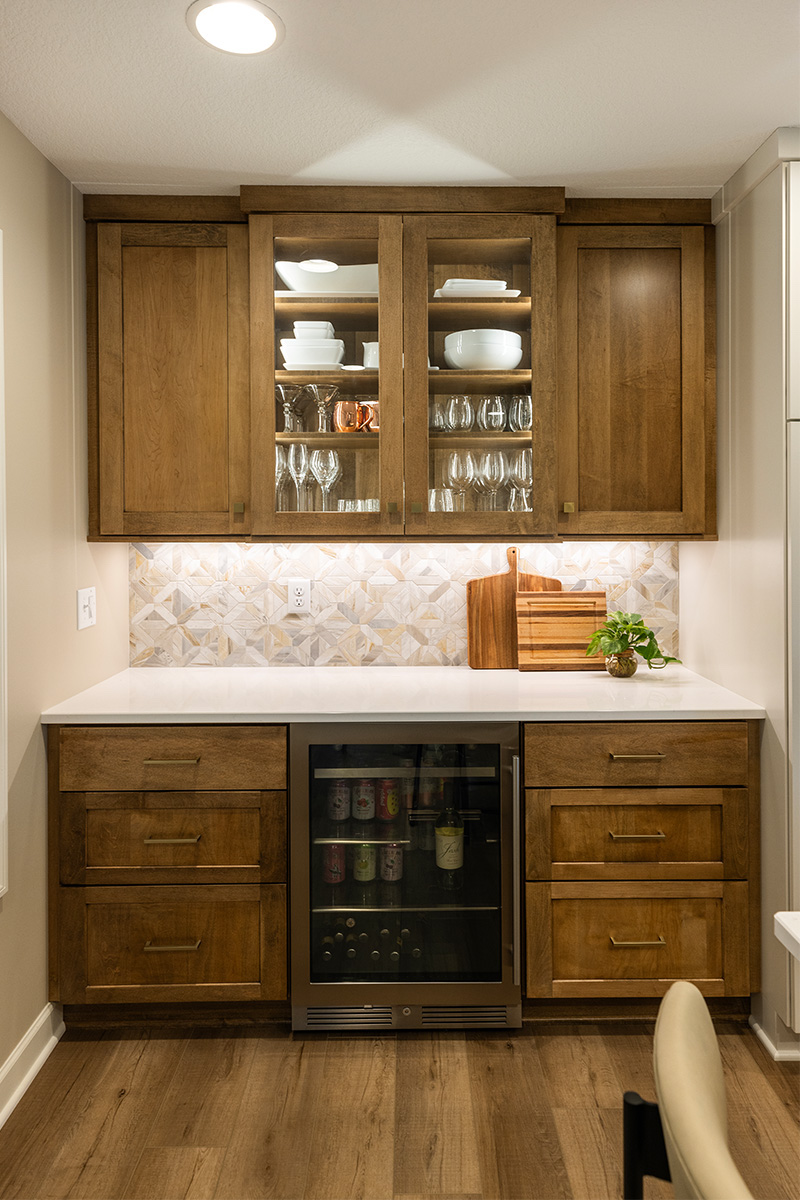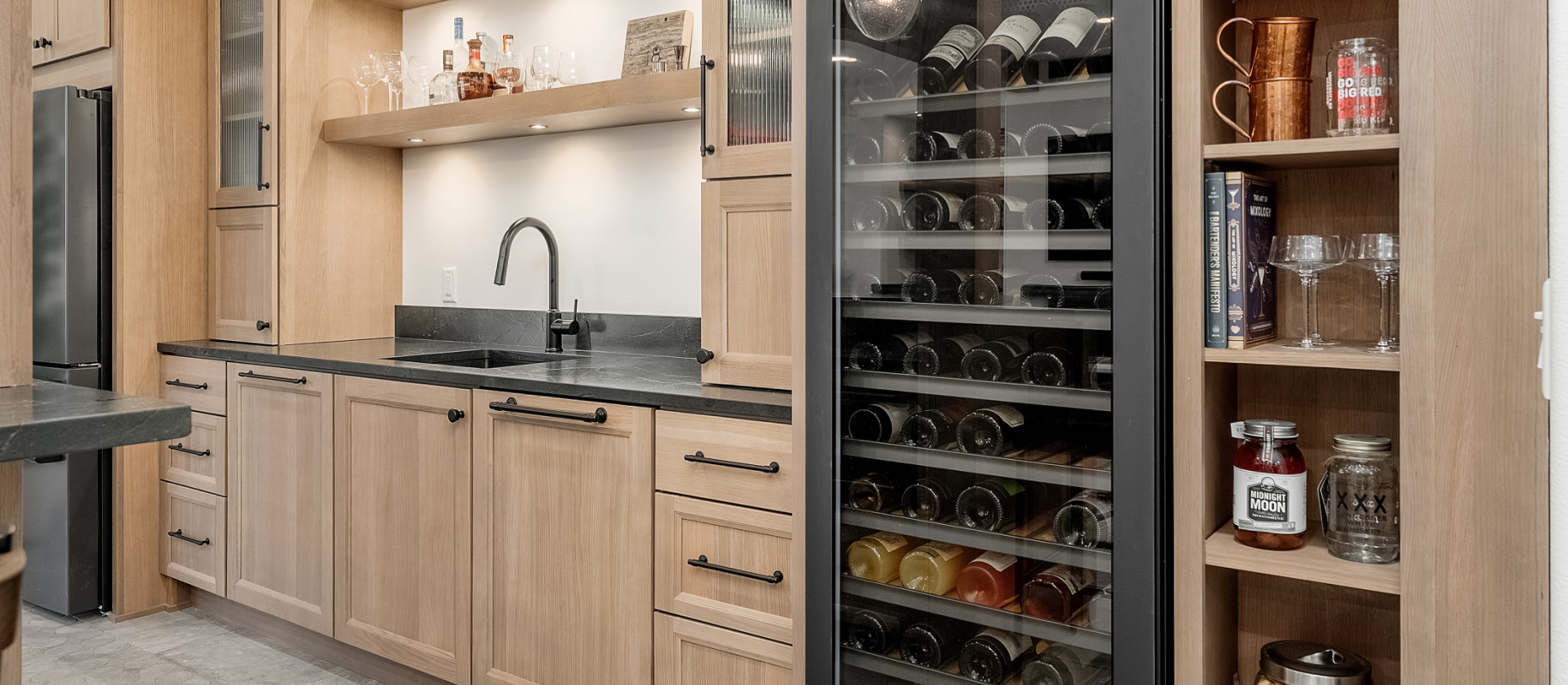
The Impact of Everyday Life on Cabinets

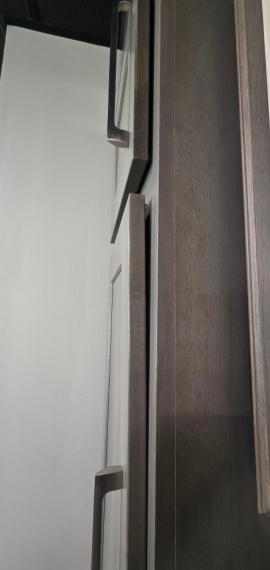
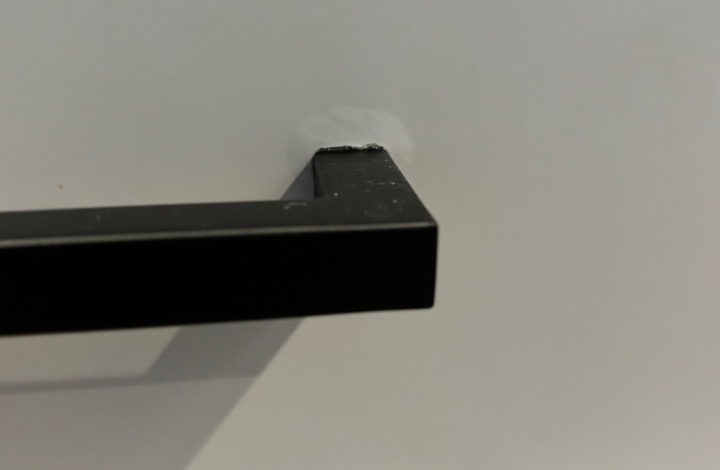
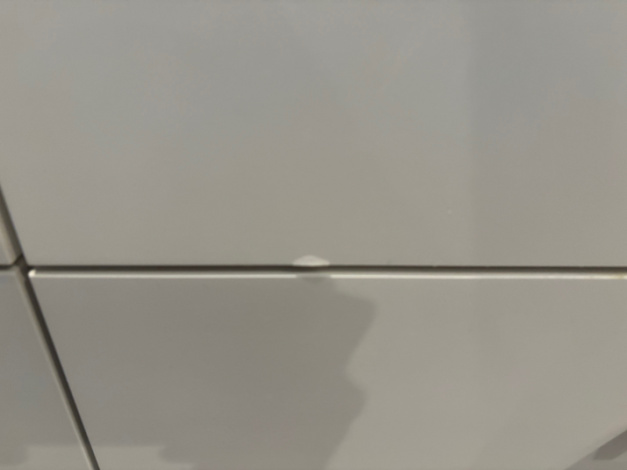
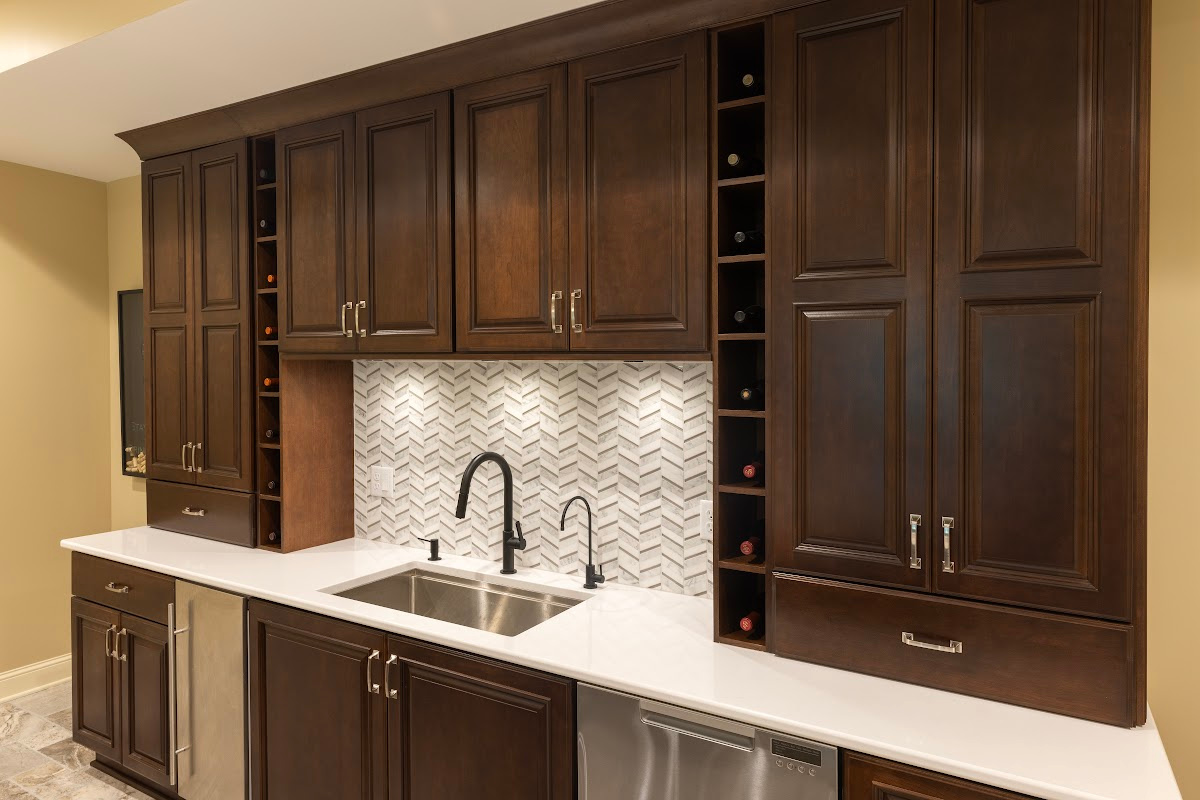
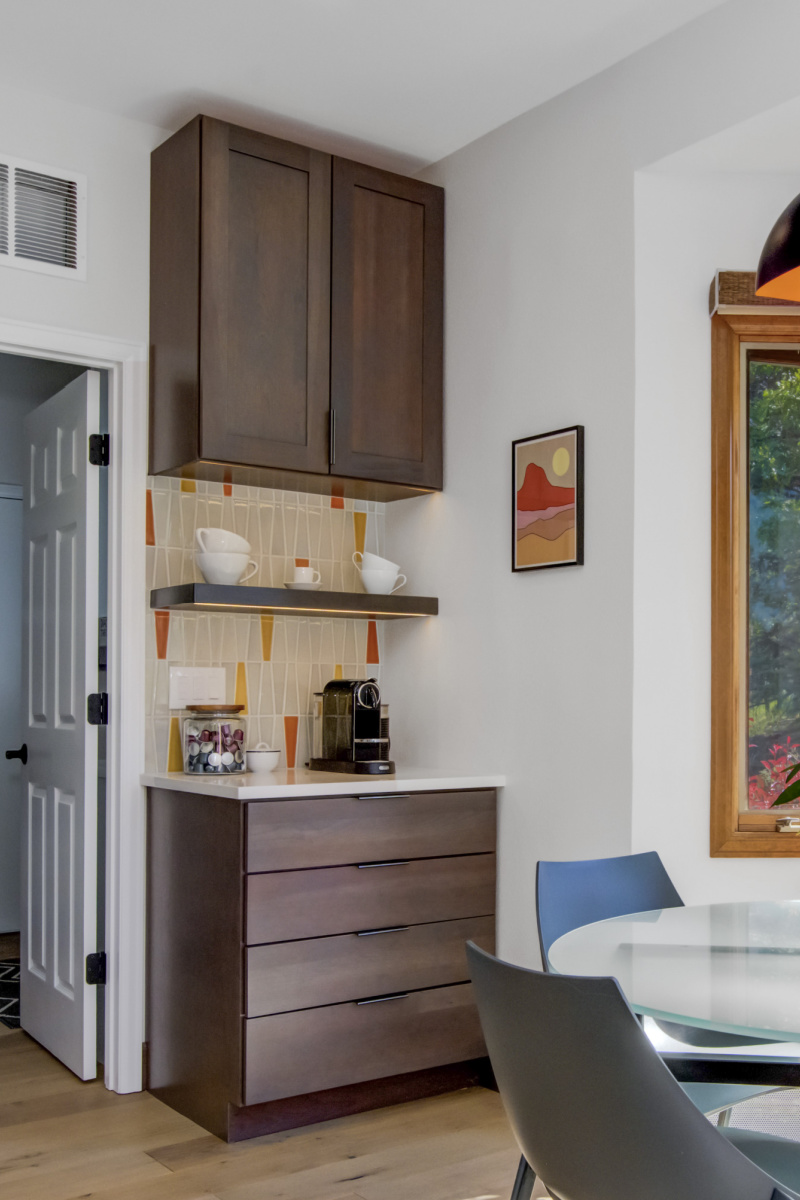
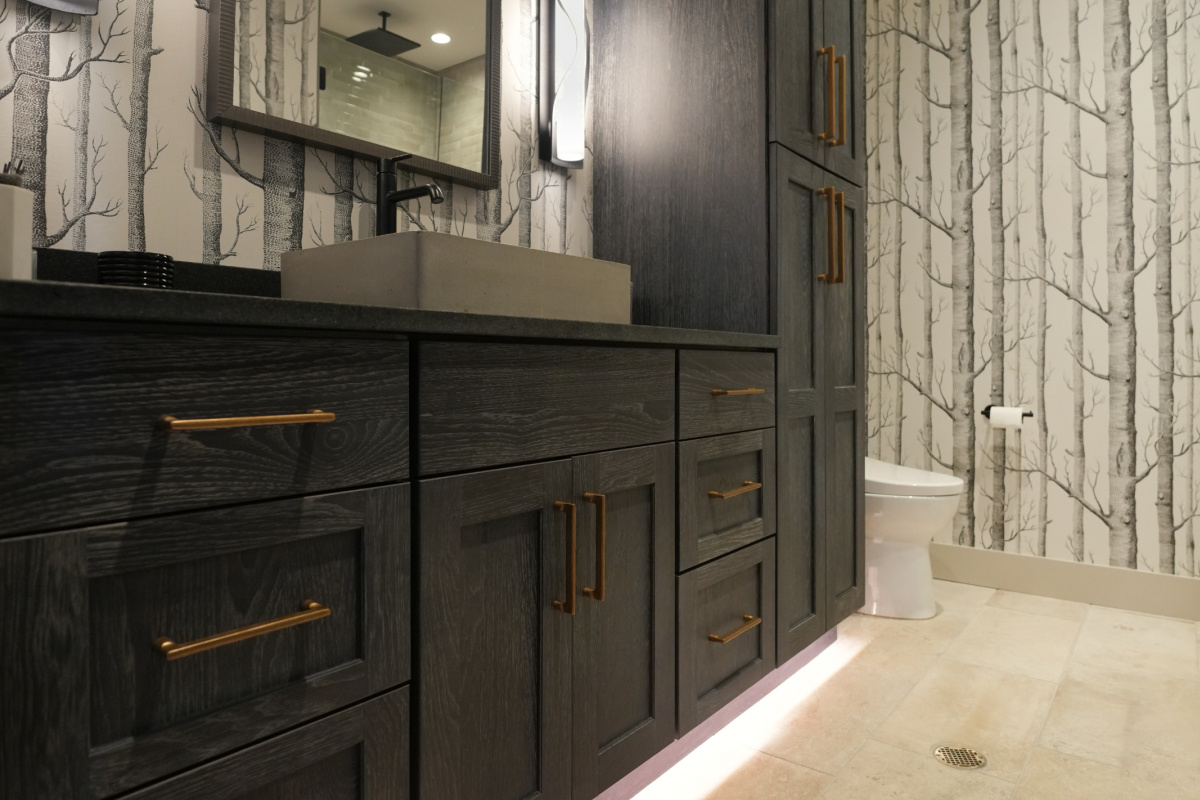
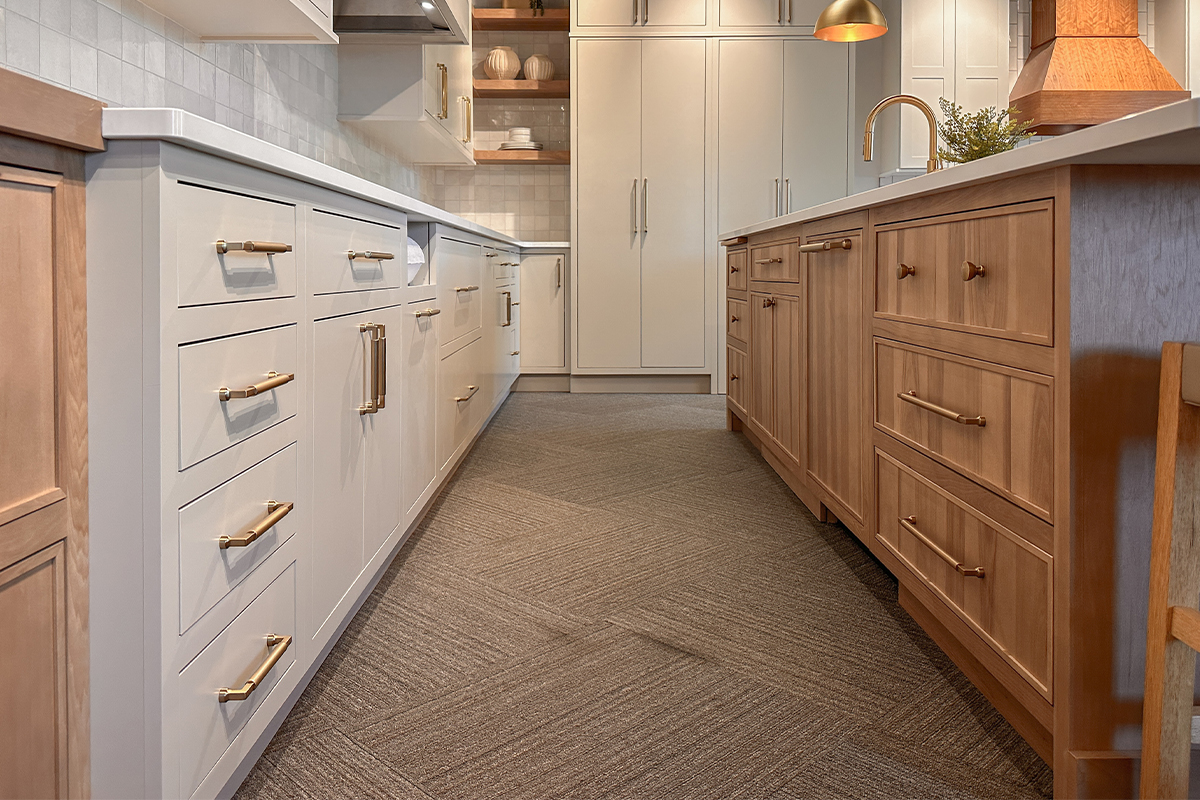
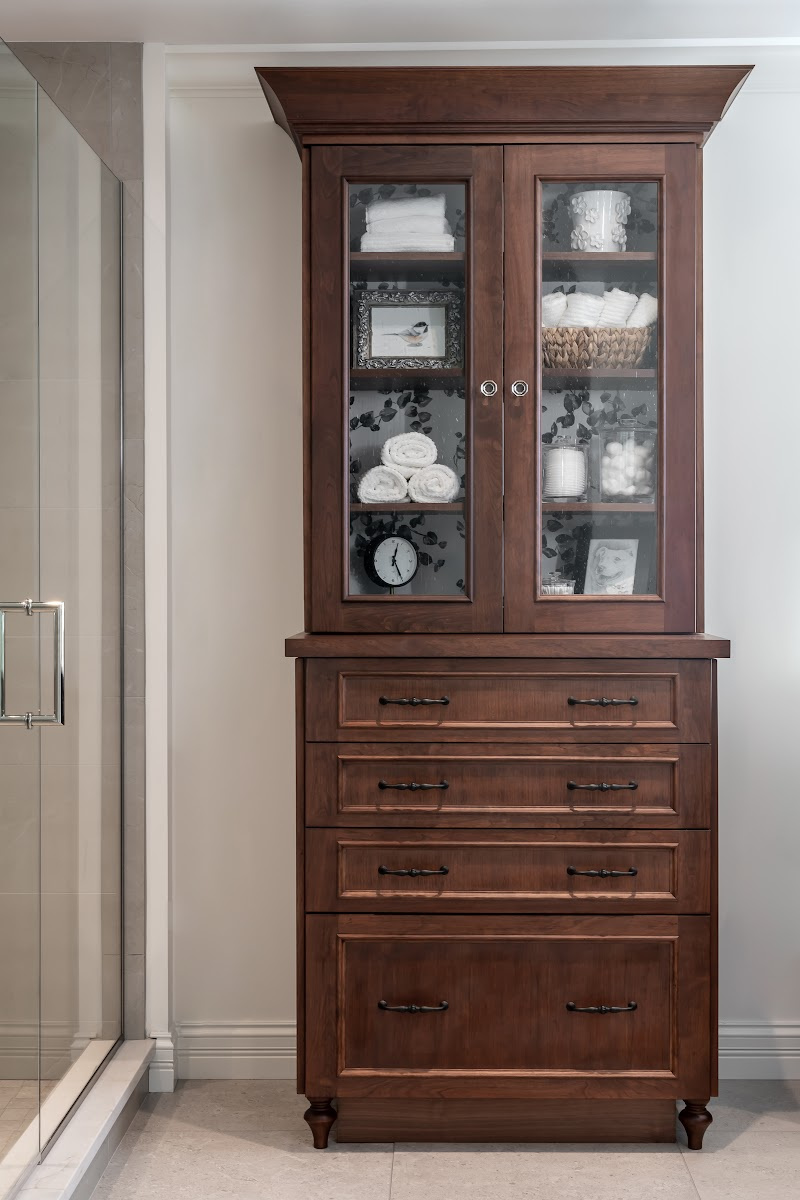
Every home is unique and meant to be lived in, and various factors will influence how wood cabinetry acclimates and responds over time.

Learn More

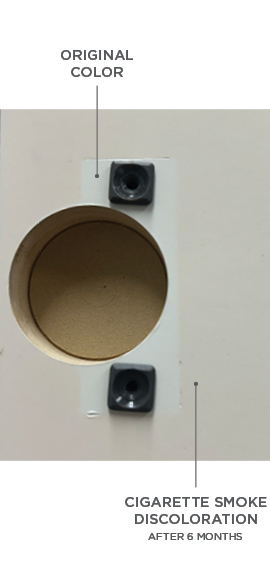
Your home’s specific environment—including temperature control, humidity levels, daily habits, and exposure to light—will shape how your cabinetry ages and evolves.

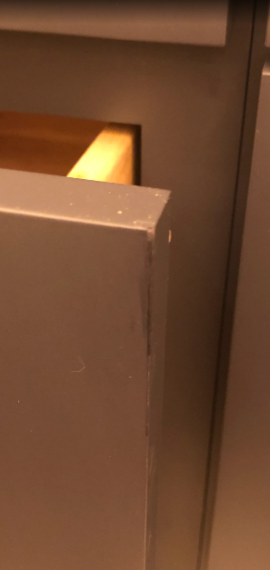
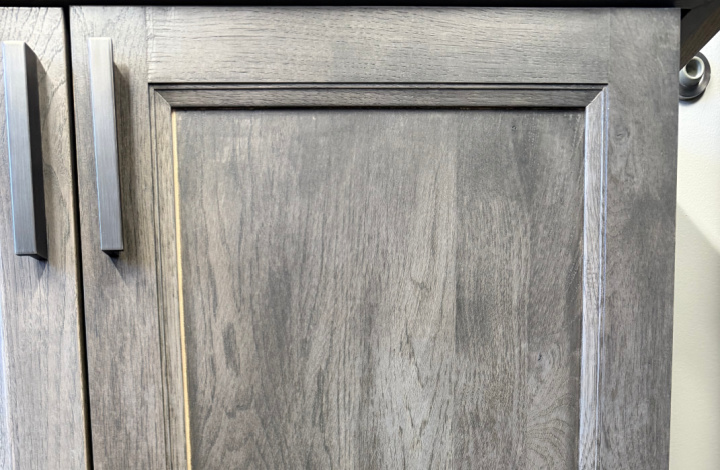
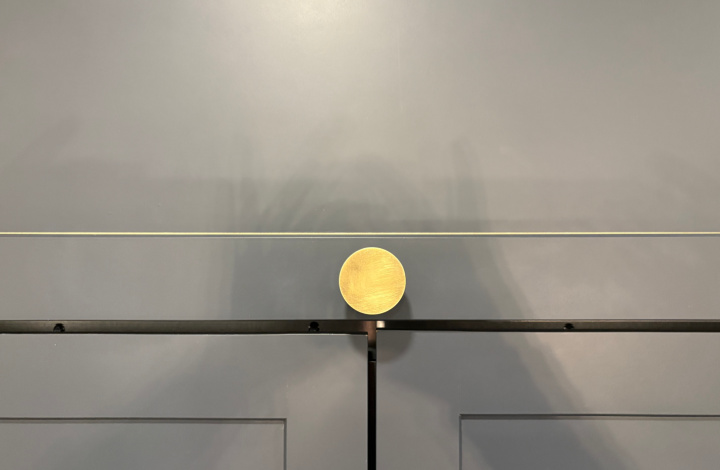
Wood is hygroscopic, meaning it absorbs and releases moisture based on environmental conditions. As the air becomes more humid, wood takes in moisture and can expand slightly; when the air becomes dry, it releases moisture and may contract. This continuous exchange is a normal characteristic of natural wood and is why slight movement, such as panel shrinkage or minor warping, can occur over time—especially in stained cabinetry where the natural grain and behavior of the wood are more visible.
CABINET CARE TIPS:

If you want to keep your stained (or painted) cabinets looking as new as possible, here are a few tips:

  • Maintain a stable humidity level (30-55%) with a whole-home humidifier.
  • Protect your cabinetry by controlling sunlight exposure (use window coverings).
  • Keep your cabinets clean from dirt buildup, etc.

Specifications & Product Information Notice:
The specification, materials, and care information provided on this website are intended as a general reference only. Because Showplace cabinetry is custom-manufactured, final product characteristics will reflect the specific selections, modifications, accessories, and enhancements chosen by the homeowner in collaboration with their designer. As a result, the website content should not be interpreted as comprehensive or absolute for all projects.

Some Showplace-purchased products, including doors purchased from other manufacturers, vent hoods and blowers, internal hardware kits, etc., are manufactured by third-party suppliers. These components are subject to the supplier’s own specifications, limitations, and warranty terms. Care information can be requested through a Showplace dealer or cited on the original manufacturer’s website.

Showplace reserves the right to change or discontinue products, materials, or design specifications at any time without prior notice and without obligation to update or modify cabinetry produced previously.

Homeowners should not rely solely on website information when making purchase decisions. For precise, project-specific details including materials, construction methods, limitations, and care requirements, consult your authorized Showplace designer or dealer.
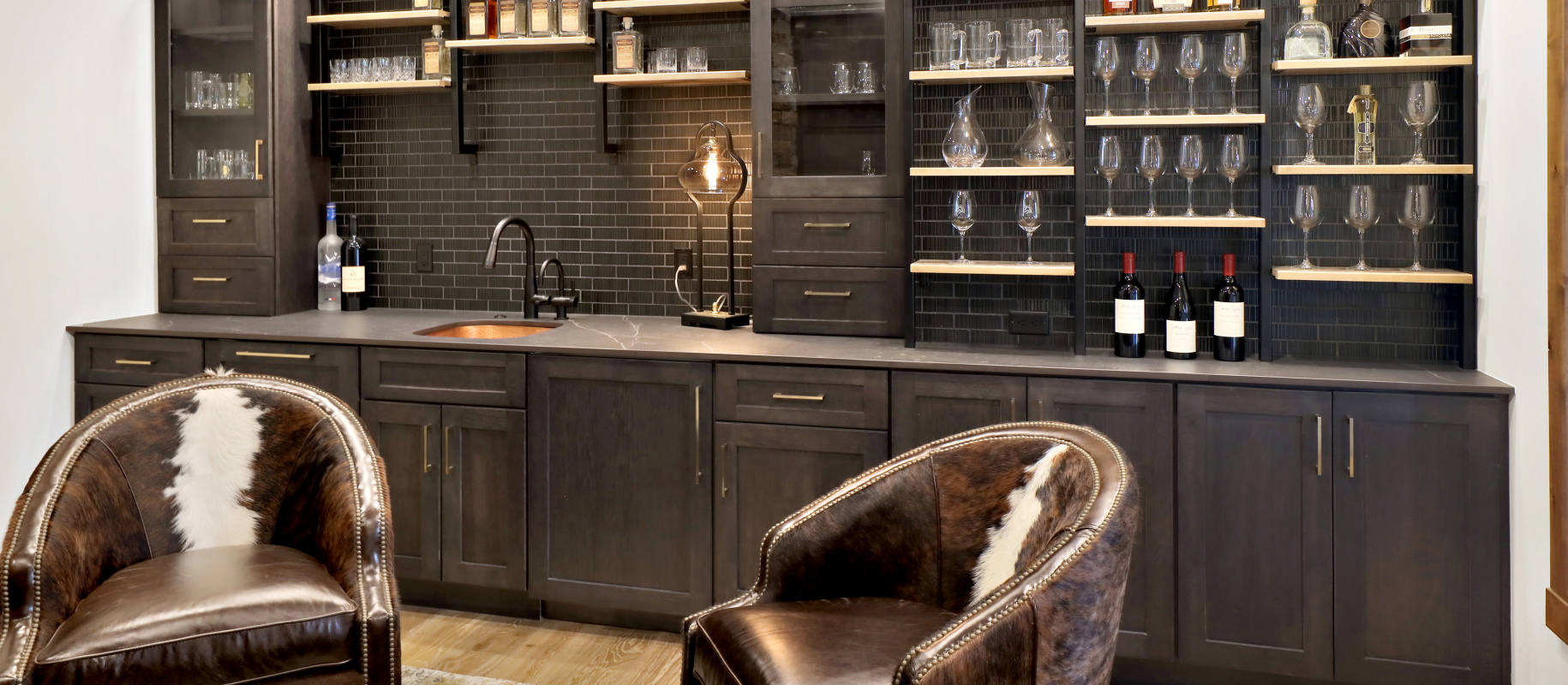

Why Do Cabinet Center Panels Shrink? What to Expect and Why It Happens

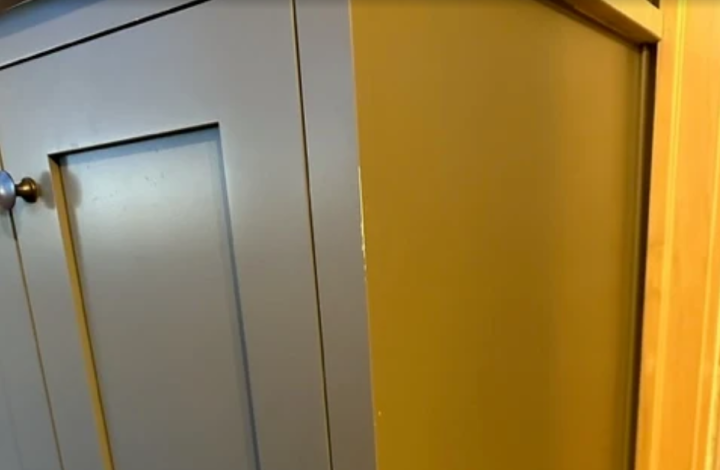
If you’ve noticed a slight line around the center panel of your cabinet doors, or maybe a small gap that wasn’t there before? You’re not alone.

Learn More

This common occurrence is due to something called panel shrinkage, and it’s a natural part of owning real wood cabinetry. While it might seem alarming at first glance, it’s actually an expected result of wood being, well, wood!

So, what causes it? And what should you expect from your cabinets over time? Let’s break it down.

Wood naturally expands and contracts with changes in humidity and temperature. That floating design gives the panel room to move without cracking or warping. So, when your home gets drier, especially in winter, the panel may shrink slightly, revealing a line around the edge where the finish appears lighter or the joint is more noticeable.

This is not a defect. It’s wood behaving exactly as it should.

What Causes Shrinkage?

Humidity Icon

Seasonal Humidity Changes

In colder months, or dry desert-like climates, indoor air tends to be drier, especially when the heat is running, creating low relative humidity. This dry air pulls moisture from the wood, causing the center panel to contract. In summer, when humidity rises, the wood often expands again, and those lines may become less noticeable—or disappear entirely.

Wood grain icon

Wood Species Differences

Some wood types are more prone to movement than others. For example, maple or cherry may expand and contract differently than oak or hickory. Painted finishes on tight-grained woods like maple can make the shrink lines more visible compared to stained finishes on open-grained woods.

Is There Anything You Should Do?

In most cases, no action is needed. This is considered normal and expected in solid wood cabinetry. However, if you want to reduce the seasonal movement as much as possible, here are a few tips:

  • Maintain Stable Humidity: Showplace recommends a relative humidity level between 30–55% in your home year-round, using proper humidification systems installed on your home HVAC system.
  • Avoid Excessive Heat or Moisture: Don’t place cabinet doors near heat vents or in areas with excessive steam without proper ventilation.
  • Be Patient: Often, those lines vanish again when humidity returns to normal levels in spring or summer.

Specifications & Product Information Notice:
The specification, materials, and care information provided on this website are intended as a general reference only. Because Showplace cabinetry is custom-manufactured, final product characteristics will reflect the specific selections, modifications, accessories, and enhancements chosen by the homeowner in collaboration with their designer. As a result, the website content should not be interpreted as comprehensive or absolute for all projects.

Some Showplace-purchased products, including doors purchased from other manufacturers, vent hoods and blowers, internal hardware kits, etc., are manufactured by third-party suppliers. These components are subject to the supplier’s own specifications, limitations, and warranty terms. Care information can be requested through a Showplace dealer or cited on the original manufacturer’s website.

Showplace reserves the right to change or discontinue products, materials, or design specifications at any time without prior notice and without obligation to update or modify cabinetry produced previously.

Homeowners should not rely solely on website information when making purchase decisions. For precise, project-specific details including materials, construction methods, limitations, and care requirements, consult your authorized Showplace designer or dealer.