Effects of Lighting on Cabinet Color

Many factors affect the appearance of color. So, when you’re investing in new cabinets from Showplace, you want to make sure they’re going to look as close as possible to what you’ve envisioned.

Learn More

If you’re just getting started and are trying to pick the cabinet colors for your space, narrow down your choices by working with a designer at your local Showplace dealership.

Explore their color chip samples and our list of standard paint and stain colors. Then, when you think you’ve selected the colors you want, order a sample door from your dealer so you can see what an actual Showplace cabinet door will look like in your space. We highly encourage you to make your final finish selections based off a sample door, rather than a color chip.

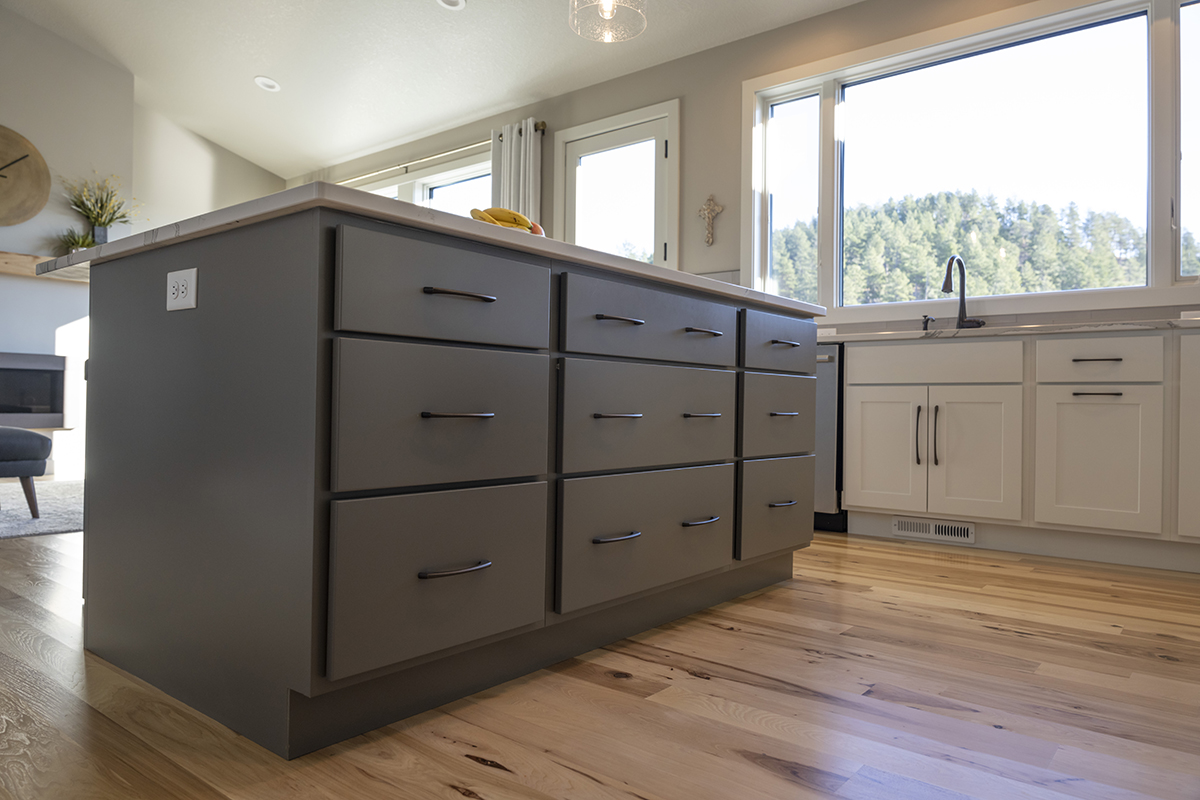
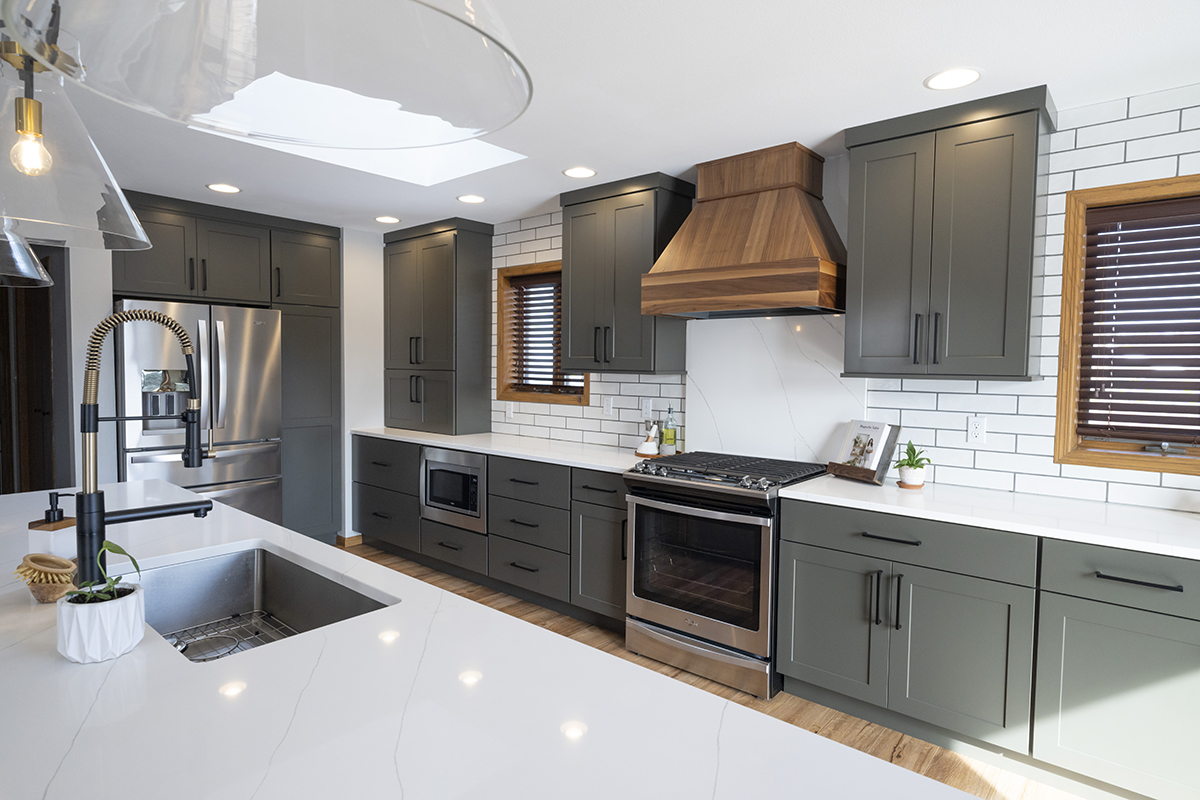
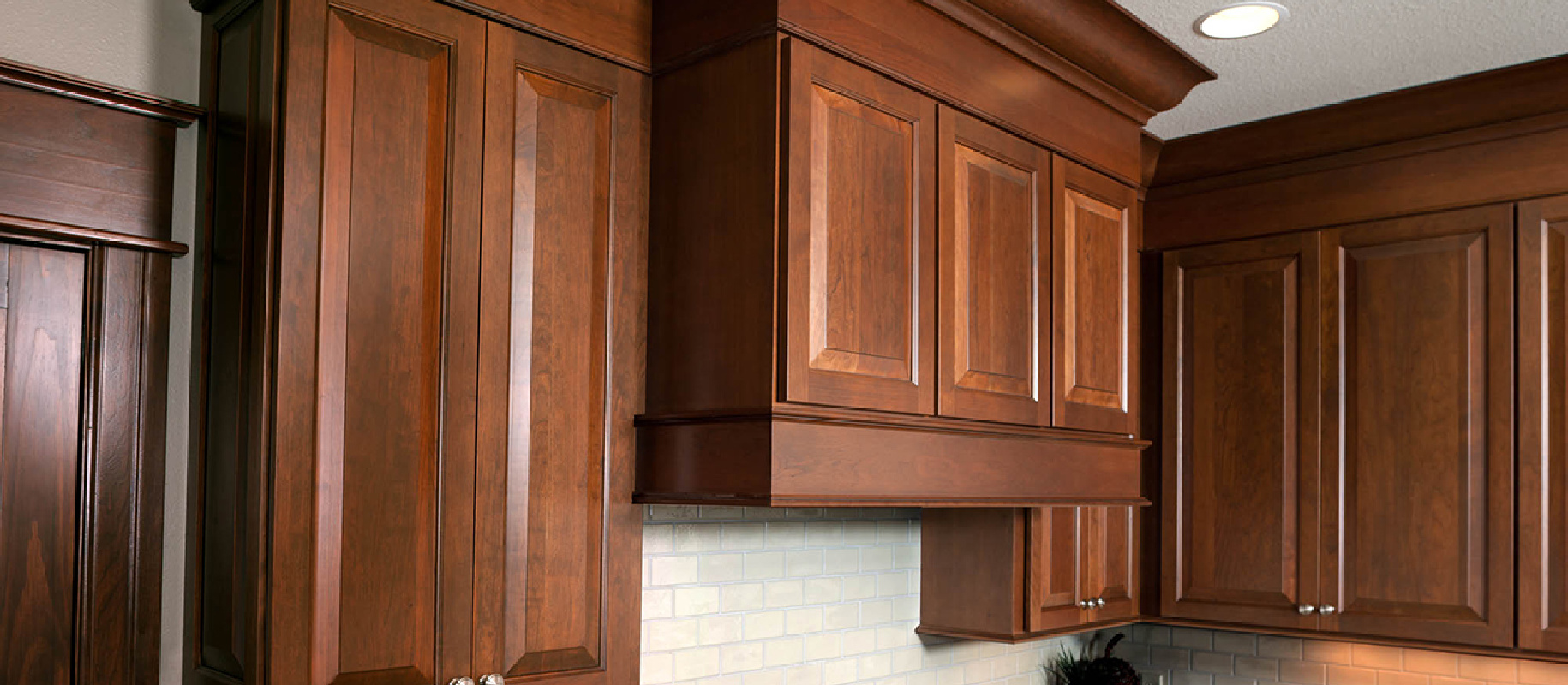
Be sure to hold the door at the approximate location the cabinets will be installed and view the door with lights on and off, and at different times of day because light affects color in different ways.

Here are some ways light may change how your cabinets appear:
Lamp Icon

Artificial Light and Color

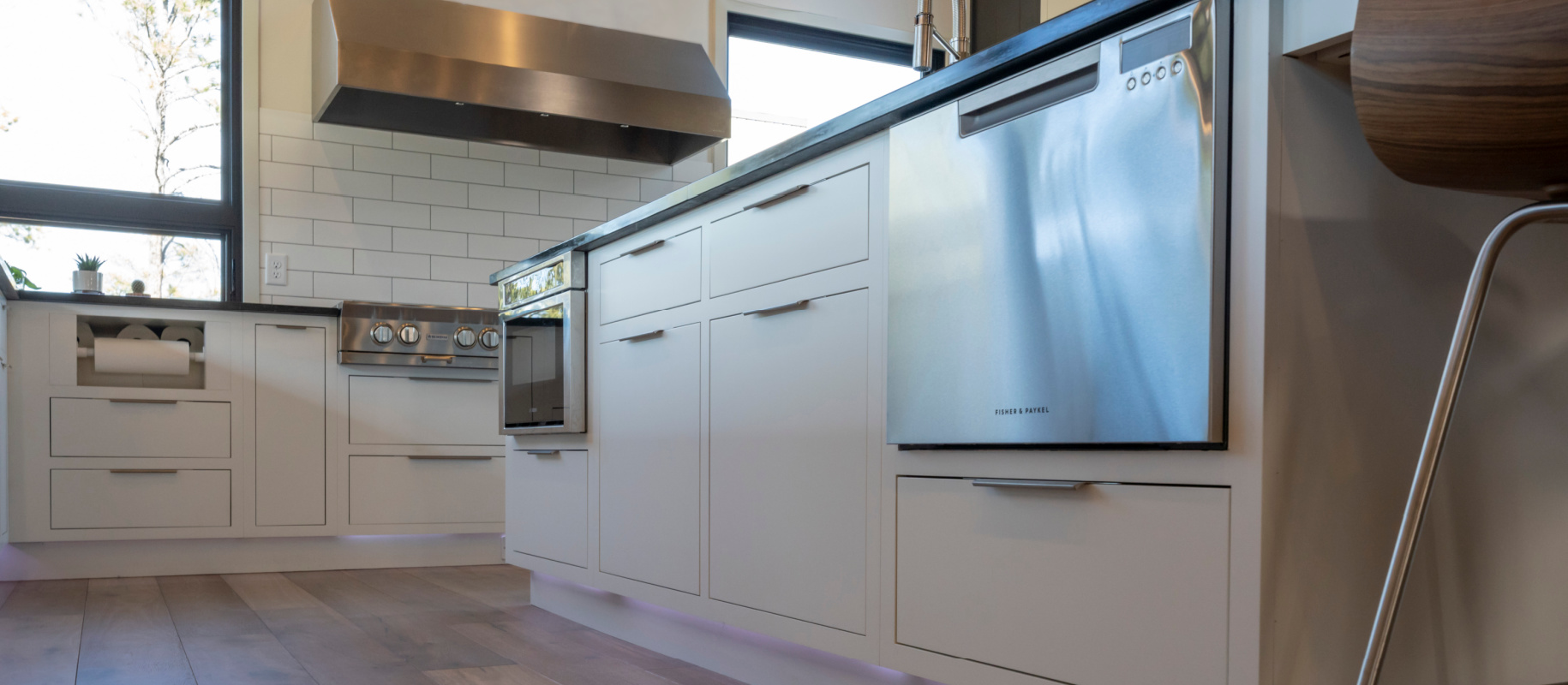
The type of indoor lighting will change the appearance of the finish or surface of your cabinets because different bulbs have a different color temperature.

Incandescent, fluorescent, halogen, or LED lighting have different color and intensity.
Window Icon

Natural Light

Natural lighting will also cause your cabinets to look different, depending on how direct the light is, whether clouds are dampening the intensity of the sun, or if window treatments are causing indirect sunlight.
Sheen icon

Sheen Level

The level of sheen (glossiness) reflects light, which may make the cabinets look a bit different in various lighting. Learn more below.

Sheen Level

If you’ve ever picked out paint before, you already know what “sheen” is. It’s the relative “shininess” or “glossiness” of a finish. Showplace offers all its finishes in your choice of two levels of sheen, no extra charge. 

“Satin” is what most people would consider normal sheen for home cabinetry. “Matte” is a little bit softer, a little bit flatter than Satin and is often associated with the finish on fine furniture.

Satin sheen tends to be a bit more reflective than matte, but adds more depth to the color.
Be Prepared

  • Be sure to purchase a sample door from your Showplace dealer so you can take it home and place it in your space to see how it looks in the lighting you have now.
  • If you plan to include different lighting in your space than you have now, go to different rooms in your home that may have similar lighting to view the sample.
  • Remember that colors on a screen will most likely not match the appearance of the same color in person, so consider this when viewing colors online.

Effects of Humidity on Cabinets

Hardwood cabinet components like face frames, doors, and headers are made of a natural material — wood — which has great character and personality. But natural wood also has some inherent limitations that should be understood. This is true of all wood in the home: furniture, millwork and cabinetry.

Learn More

Unlike synthetic material, natural wood is not dimensionally stable, meaning it will expand and contract under certain conditions. Complicating matters further, wood does not expand and contract in a uniform way. It does so more across the grain than along the grain.  It can even warp in extreme cases.

Things to Remember

Door Construction

Most cabinet doors are made of five parts: Four pieces that make up the outer frame, and the inner center panel. The notch that the center panel fits into is a bit oversized, to allow some expansion and contraction of the large center panel. This helps prevent warping, but can still open visible joint lines.

Material Matters

Paint grade doors use HDM for the center panel which minimizes expansion and contraction, but joint lines may still appear because paint grade doors have natural wood frames that will expand and contract more than the HDM center panel.

The Best Option

The Showplace HDM door styles are our most dimensionally stable. They are the best choice for painted cabinetry in coastal regions, or other areas of high humidity.

By its nature, wood is “hygroscopic,” meaning it naturally absorbs and releases moisture in its environment. These changes in moisture content may result in dimensional changes that can happen gradually over time, or happen suddenly with seasonal changes or changes in humidity within the home. When these natural dimensional changes occur, joinery lines can appear that were not visible before. For instance: As wood swells and contracts due to seasonal humidity changes, a joint where a stile and rail meet can open up slightly, showing a line that was not previously visible. When exposed to drier air, door center panels will contract, exposing a visible line next to the stile until moisture is restored. These are inherent characteristics of wood, are not considered flaws, and are not covered under the Showplace warranty.

Humidity Icon Door Icon Temperature Icon
  • The most important thing you can do is stabilize the humidity in the home. Heating systems dry out the air in the winter, causing wood to contract. Taking steps to maintain proper relative humidity year-round will keep your cabinetry more stable. We recommend 30% to 55% relative humidity.
  • Air conditioning helps, as it removes some humidity from the air. But additional steps, like a dehumidifier, may still be needed in some locations and climates.
  • Seasonal homes, especially those near water, should be heated and air conditioned, even when not in use. Maintain a reasonable interior temperature of 40 to 90 degrees F.
  • If you want painted cabinetry and possible joint lines are a major issue to you, choose one of the Showplace MDF door styles.
  • Consider one of our slab door styles with solid MDF cores and a veneered surface. They show no joints and are very stable.
  • Our best recommendation is to accept wood for what it is, and look on dimensional changes as another aspect of the unique personality of a lovely, variable natural material.

Specifications & Product Information Notice:
The specification, materials, and care information provided on this website are intended as a general reference only. Because Showplace cabinetry is custom-manufactured, final product characteristics will reflect the specific selections, modifications, accessories, and enhancements chosen by the homeowner in collaboration with their designer. As a result, the website content should not be interpreted as comprehensive or absolute for all projects.

Some Showplace-purchased products, including doors purchased from other manufacturers, vent hoods and blowers, internal hardware kits, etc., are manufactured by third-party suppliers. These components are subject to the supplier’s own specifications, limitations, and warranty terms. Care information can be requested through a Showplace dealer or cited on the original manufacturer’s website.

Showplace reserves the right to change or discontinue products, materials, or design specifications at any time without prior notice and without obligation to update or modify cabinetry produced previously.

Homeowners should not rely solely on website information when making purchase decisions. For precise, project-specific details including materials, construction methods, limitations, and care requirements, consult your authorized Showplace designer or dealer.